
A global award for artistic and research-led practices exploring the entanglements of technology, human experience, and future possibilities.
Current Status
Applications are now open
Submission Deadline
20 December 2026
Results Announced:
28 February 2027, London
Presented within
EAST2046 Festival
Why Interweave Award
Technology · Humanity · Process-led Future Practices
Technology shapes how we live, work, remember, and imagine. But too rarely do we ask who shapes technology — and through what practices, values, and relationships.
Interweave exists to recognise artists, designers, researchers, and technologists whose work takes these questions seriously: practices that are genuinely shaped by collaboration, process, and the human experience within technological change.
Initiated by EAST2046 Festival, London.
We use the term process-led with care: we mean work where entering a community, a data set, a system, or an environment is not collecting material — the encounter itself is the practice, and what it produces is inseparable from how it was made.
Jury & Advisors
A cross-disciplinary panel drawn from art, technology, research, and curatorial practice.
(alphabetical by surname)
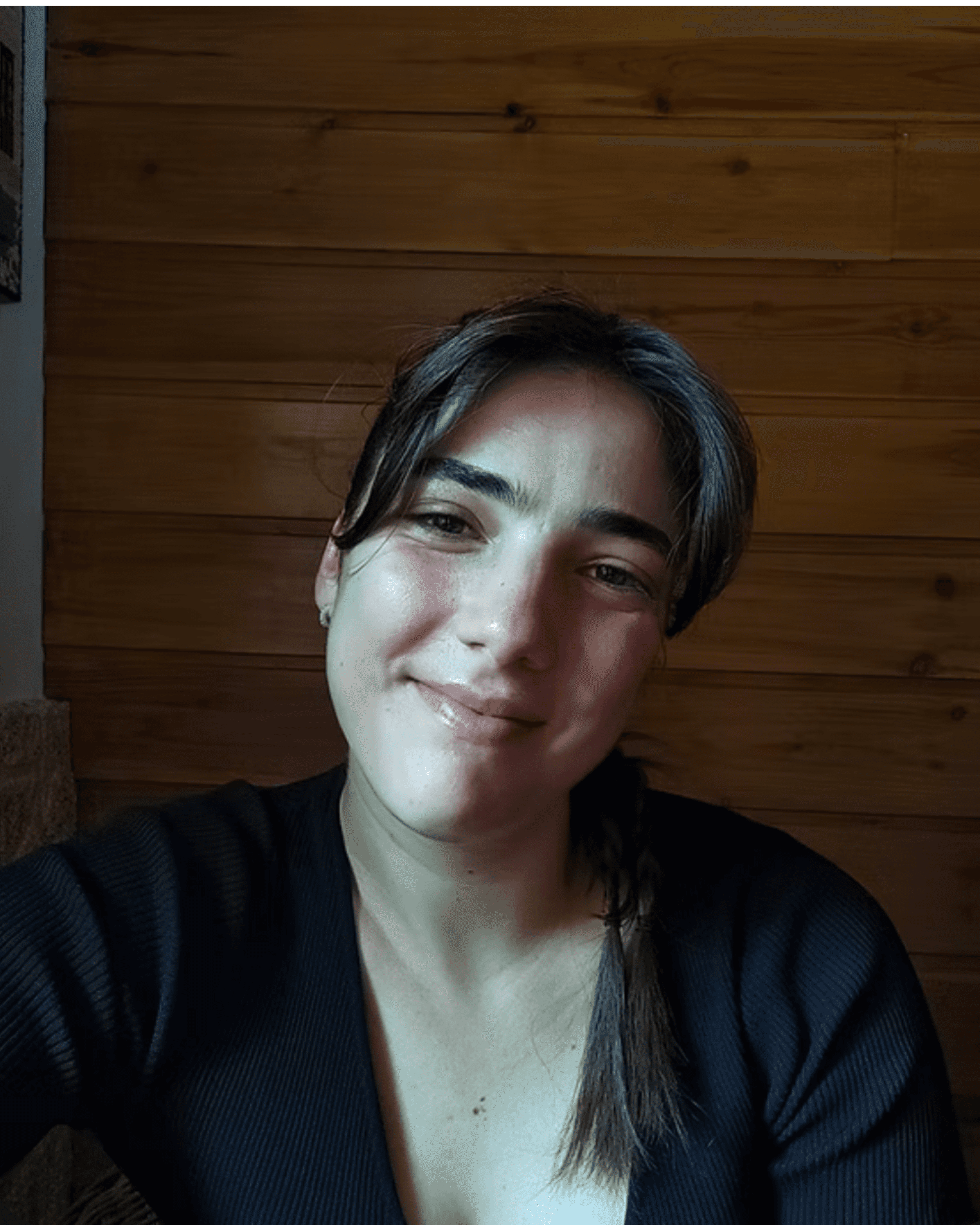
Joana Alarcão is a Portuguese eco-artist, curator and editor, and founder of Insights of an Eco Artist, a platform dedicated to socially and environmentally engaged art. Her work focuses on connecting artistic practice with cultural, ecological and social narratives through editorial, curatorial and research-based approaches. Through interviews, publications and cross-media storytelling, she has built an international network of artists and practitioners exploring art as a tool for critical reflection and positive change.
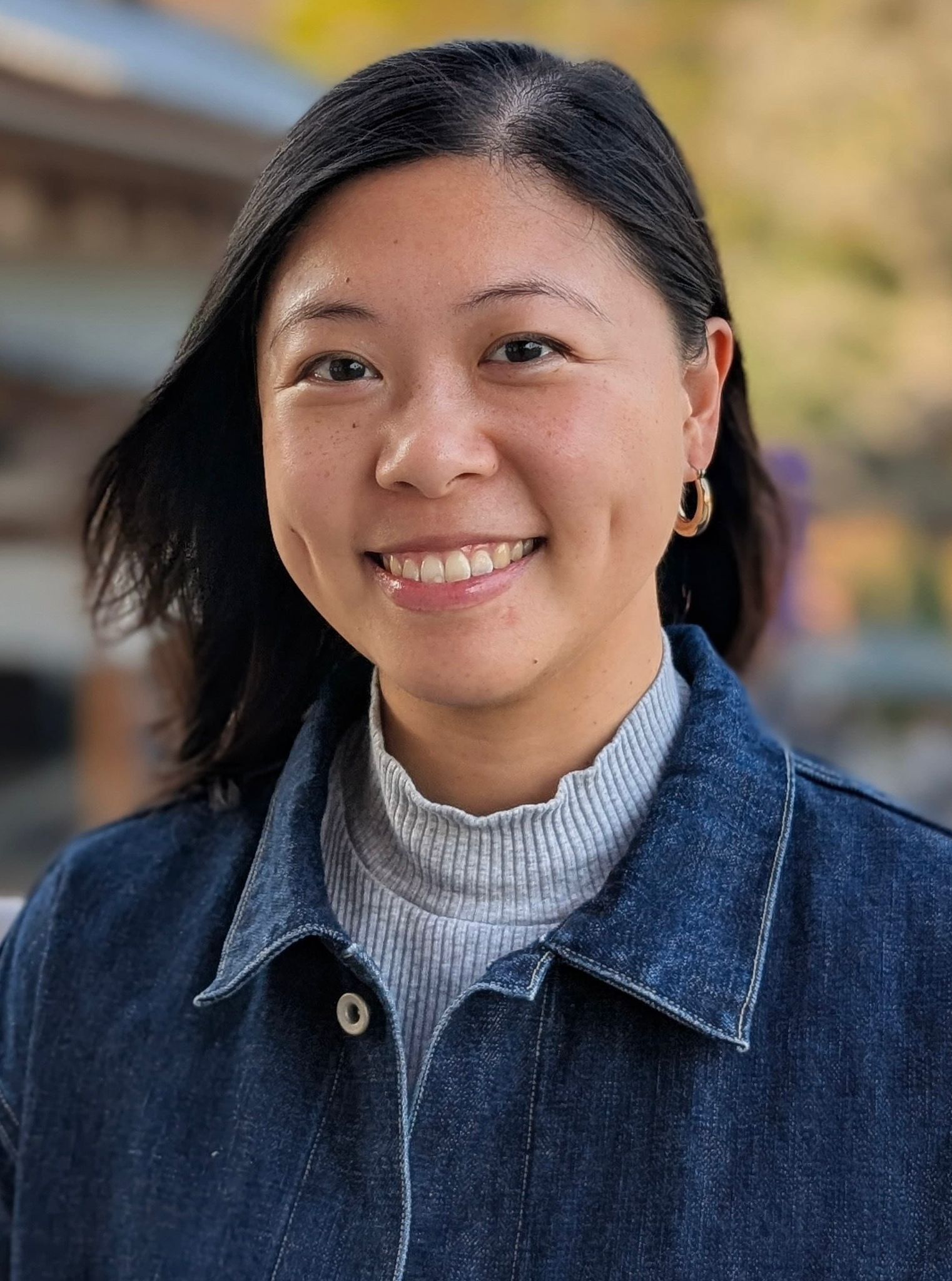
Jennifer Ding is a Senior Solutions Engineer at Decagon and previously a researcher at The Alan Turing Institute. Her work focuses on expanding practices for open & participatory AI. She was the data steward for the Serpentine's Choral AI Dataset, produced for The Call exhibition, as well as the co-founder of London Data Week.

Rachel Falconer is Head of Subject for Creative Technology and Senior Lecturer, and Co-Programme Lead for the MA/MFA Computational Arts programme at Goldsmiths, University of London. She is Co-Founder of the Process Iteration Network Research Unit. She has secured key partnerships enhancing student experience and research initiatives with institutions including Tate, the V&A, Arebyte Gallery, UCLA, Gazelli Art House, Hauser & Wirth, Somerset House Studios, the Lumen Prize, The Photographers’ Gallery, Nexus Studios, and the BBC.
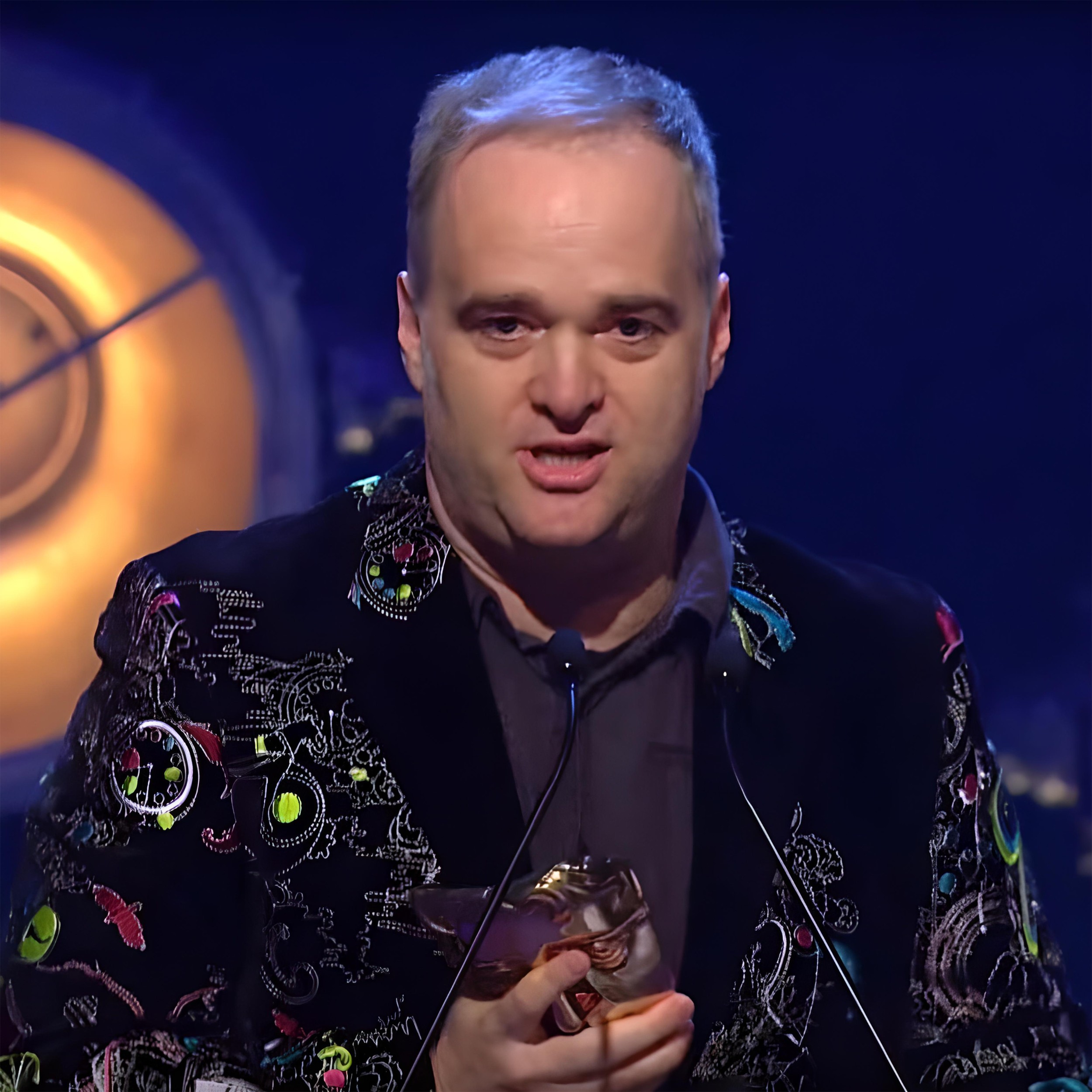
Martin Percy
Martin Percy (King’s College, 1982) is a British film director known for pioneering interactive films that turn viewers into participants. His work increasingly incorporates artificial intelligence and includes the interactive CPR film featured in his TEDx talk on using film to save lives. He has received major international awards including a BAFTA, an Emmy, eleven Webby Awards and a Grand Clio. Percy has created interactive projects for Tate, the Asian Art Museum of San Francisco, the British Film Institute, the National Theatre, University of the Arts London, BT and Innovate UK, and has collaborated with actors such as Sir Ian McKellen, Sir Derek Jacobi and Daisy Ridley.
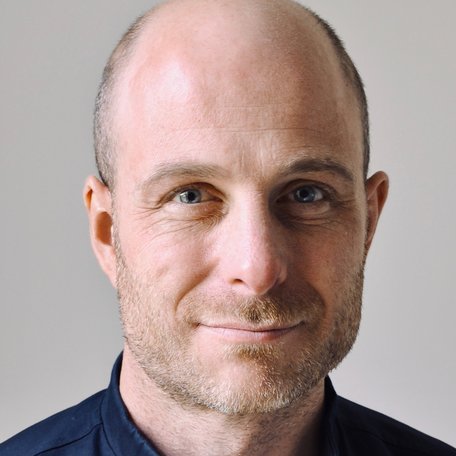
Tom Simmons is Head of Programme for MA Digital Direction at the Royal College of Art. He is a sound artist and researcher whose work explores the politics and aesthetics of sound and storytelling. His practice focuses on immersive and interactive approaches across AI and XR, engaging with collective learning and cross-disciplinary collaboration. He has extensive international experience across education, research and cultural exchange.

Phoebe Yemi Ara
Phoebe Yemi Ara is one of the Advisory Committee’s Young Committee members. She is a London Library Emerging Writer (2021/22) and Pan Macmillan Writer on The Rise (2024). She has been selected as a BFI x ICO Emerging Producer (2021, 2023) a Watersprite Hubs Producer (2024) one of Channel 4 Rise2 Development Stream talents, designed to identify the next generation of filmmaking talent (2024) and one of Edinburgh TV Festival’s The Network (2021) designed to identify bright new talent in film/tv.
(Additional jury members to be announced soon)
What We’re Looking For
Practices that question, connect, and experiment.
01
Artists and designers whose process is shaped by the communities, systems, or materials they work with, where the collaboration visibly changes what is made.
02
Researchers and academics whose methodology is the work itself: ethnographers, practice-based researchers, and scholars whose inquiry cannot be separated from the practice of inquiry.
03
Technologists and engineers who approach their tools with critical attention and whose relationship with the systems they build is one of genuine negotiation rather than control.
04
Sound practitioners, architects, filmmakers, choreographers, and performers whose practice is inherently durational, relational, or site-specific.
05
Educators and community practitioners whose work produces knowledge through the act of working with others, and for whom process and outcome are genuinely inseparable.
06
Those whose practice does not yet have a name and who work in the space between disciplines, between institutions, between the established categories of art, research, and technology.
What Award Recipients Receive
Recognition, resources, and a place within a wider practice community.
01
£1,000 development grant to support the further development or realisation of the work
02
Exhibition and presentation opportunities within EAST2046 Festival, London
03
Public exposure through festival and award communications
04
Connections with cross-disciplinary practitioners, curators, and researchers
05
Ongoing dialogue with the Interweave community beyond the award cycle
Presented within EAST2046